

The Drama of Russian Jewry in the Long Twentieth Century
|
Yiddish Civilization Lecture Series
Admission: Free |
Zvi Gitelman| Delivered in English.
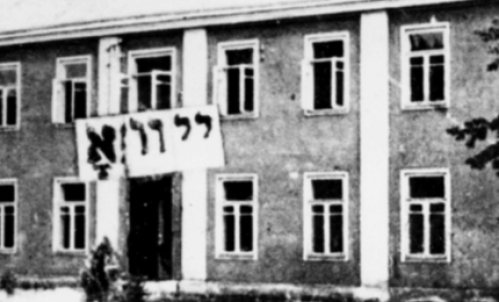
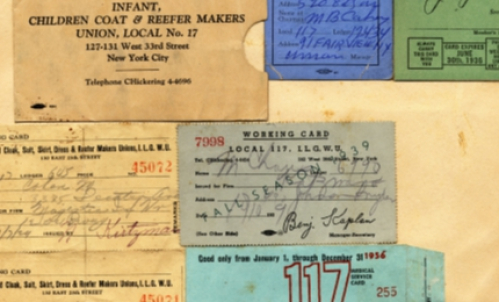
In 1900, there were five million Jews in the Russian Empire, more than in any other country in the world. Today, there are only about 300,000 Jews in the Former Soviet Union. For hundreds of years, Yiddish was the dominant language among the Ashkenazi Jews of Russia, but in 1989, only 11 percent claimed Yiddish was their “mother tongue.” The past 150 years have seen turbulent, sometimes tragic, changes among “Russian Jews.” At one time, they enjoyed dramatic educational, professional, and social upward mobility. But they also experienced two revolutions, two world wars, a civil war, drastic changes in their culture, including Yiddish, and the near-disappearance of Judaism. Their massive emigration, mostly to Israel, North America, and Western Europe, had a profound influence on the countries and cultures of their new homes. This lecture by Zvi Gitelman will explore the transformation of Russian Jewry during the twentieth century.
About the Speaker
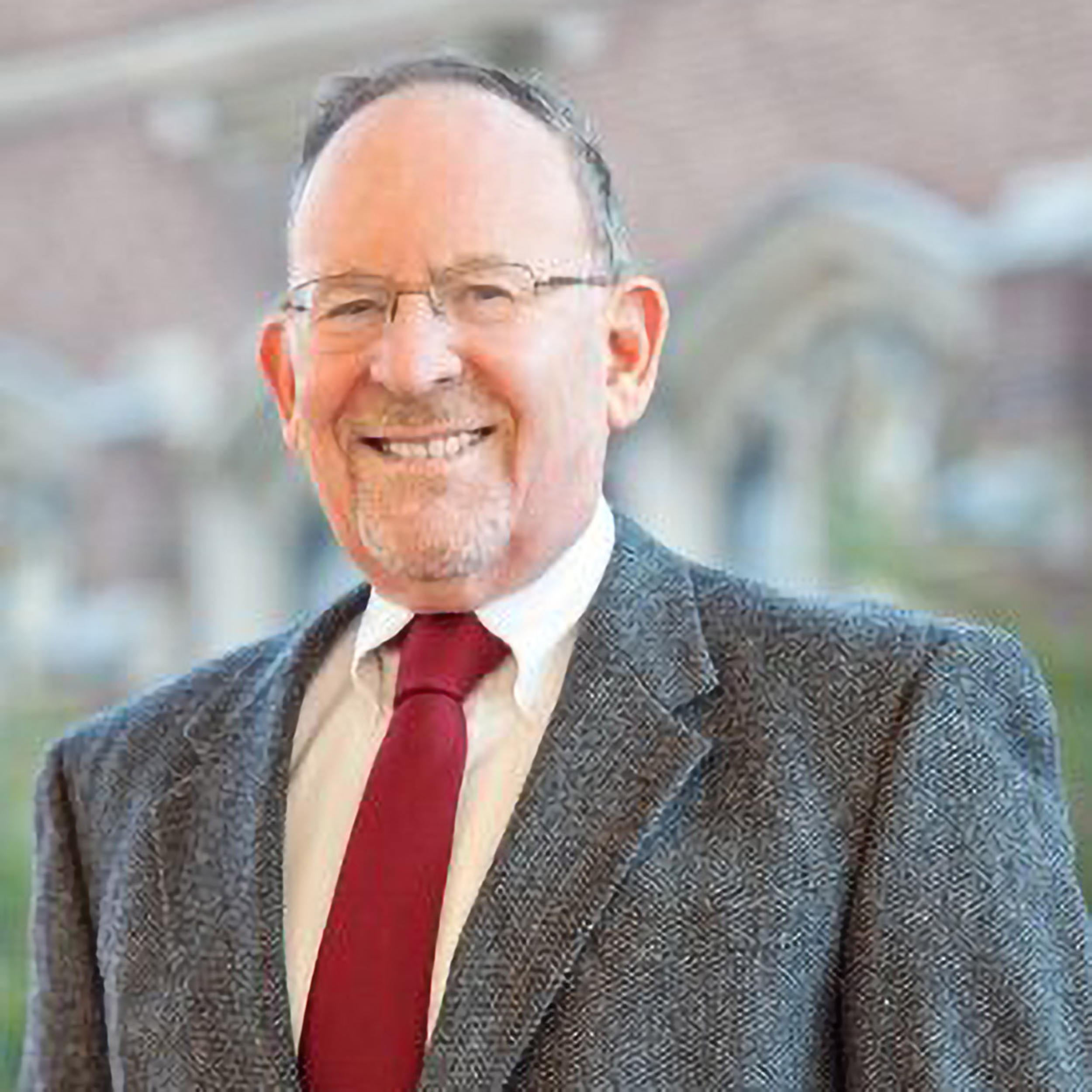
Zvi Gitelman is the Preston R. Tisch Professor Emeritus of Judaic Studies and Professor Emeritus of Political Science at University of Michigan. He studies ethnicity and politics, especially in former Communist countries, as well as Israeli politics, East European politics, and Jewish political thought and behavior. His most recent edited book is The New Jewish Diaspora: Russian-speaking Immigrants in the United States, Israel and Germany (Rutgers University Press, 2016). In 2012, Cambridge University Press published his Jewish Identities in Postcommunist Russia and Ukraine: An Uncertain Ethnicity which drew on two large surveys that he conducted with two colleagues in Russia. Gitelman is co-editor of a forthcoming volume on Jewish thought, politics and literatures in the interwar (1918-1939) period (Yale University Press). He is writing a book on ethnic relations in the Soviet armed forces and the partisans during the war, and Soviet policy regarding the Holocaust.